
Tipping Paper vs. Plug Wrap Paper: What’s the Difference?
Cigarette design relies heavily on subtle yet critical components, and among these, tipping paper and plug wrap paper play indispensable roles. Understanding their differences is vital for manufacturers, brands, and quality assurance teams. While both contribute to the cigarette’s structure, tipping paper is particularly crucial for the consumer-facing experience, airflow regulation, and production efficiency.
Where Tipping Paper Fits in a Cigarette: Why It Matters
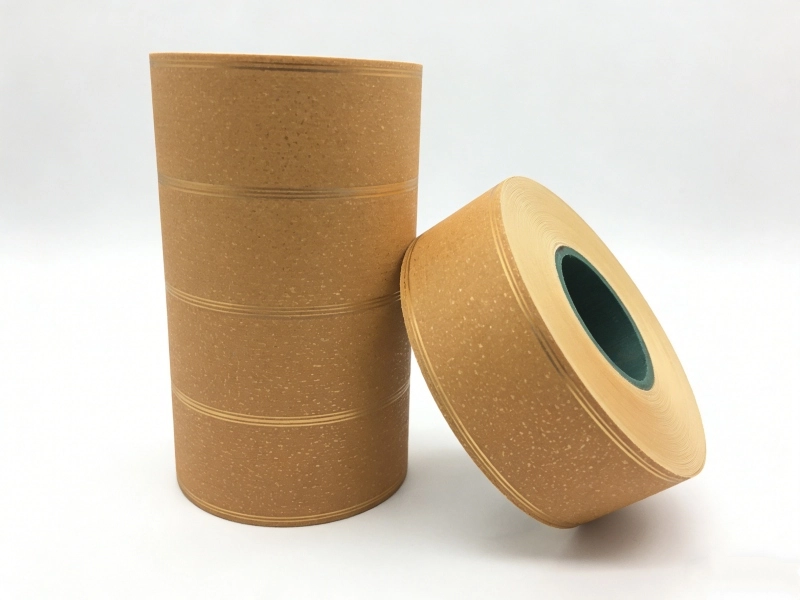
Tipping paper is the short paper segment that wraps the junction between the cigarette filter and the tobacco rod. Its primary role is to hold the filter securely while providing a clean, smooth interface between the smoker and the product. In contrast, plug wrap paper encases the filter plug itself, offering structural support but remaining largely hidden from the consumer’s view.
The positioning of tipping paper makes it a critical point for visual and functional impact. Its proper alignment affects:
• Filter adhesion: Ensuring the filter remains firmly attached without loosening.
• Consumer perception: Smooth edges and consistent wrapping improve brand perception.
• Machine performance: Precise placement is essential for high-speed cigarette manufacturing lines.
Plug wrap paper, while essential for filter integrity, does not directly influence visual presentation or consumer experience to the same degree.
Tipping Paper: More Than Just a Pretty Cover
Beyond its structural function, tipping paper serves multiple commercial and technical purposes:
• Branding: Tipping paper often carries printed logos, patterns, or security markers that differentiate products in the market.
• Consumer interface: The smooth surface ensures comfort when the cigarette is held or smoked.
• Tax and regulation compliance: Some tipping papers integrate tax stamps, holograms, or microprinting to meet regulatory standards.
Plug wrap paper does not typically bear decorative or branding elements. Its design focuses on durability and compatibility with the filter plug.
How Tipping Paper Controls Airflow and Affects Smoking
Air permeability is one of the defining technical properties of tipping paper. Manufacturers use micro-perforations, laser cuts, or electrostatic methods to adjust the airflow through the filter tip. Properly designed tipping paper influences:
• Ventilation: Airflow dilution affects smoke draw and perceived smoothness.
• Tar and nicotine delivery: Controlled airflow ensures consistent experience across cigarettes.
• Smoker satisfaction: Balanced draw resistance contributes to overall product quality.
Plug wrap paper, while also manufactured to specific permeability standards, primarily maintains filter integrity and does not significantly influence ventilation dynamics at the consumer interface.
Printing and Surface Tricks That Make Tipping Paper Special
High-quality tipping paper supports advanced printing and finishing techniques:
• Flexographic or gravure printing: Enables detailed logos, colors, and fine patterns.
• Surface coatings: Matte, gloss, or barrier coatings improve durability and visual appeal.
• Embossing and texture: Adds tactile differentiation that enhances brand perception.
Plug wrap paper rarely undergoes such surface treatments, as its primary function is mechanical protection rather than branding or aesthetics.
Strong, Smooth, and Machine-Friendly: Tipping Paper in Production
Production demands for tipping paper are stringent due to its dual role in structure and presentation:
• Tensile strength: Paper must resist tearing under high-speed processing.
• Adhesion performance: Ensures seamless bonding between filter and tobacco rod.
• Runability: High-speed cigarette manufacturing requires uniform width, smooth edges, and consistent perforations.
Plug wrap paper is also subject to mechanical specifications but does not face the same combined challenge of strength, aesthetics, and airflow control, making tipping paper a more complex and high-value component.