
Different Types of Kraft Paper and Their Applications
Introduction
The name of kraft paper derives from the Swedish and German word for "strength" — a fitting tribute to the remarkable durability that defines this category of paper. First developed in the late 19th century, kraft paper is produced through the kraft process (also known as the sulfate process), in which wood chips are chemically treated to break down lignin and isolate strong cellulose fibers. The result is a paper with superior tensile strength, tear resistance, and flexibility compared to papers made by other pulping methods.
The most common variants include high strength Kraft Paper, Brown Kraft Paper, and White Kraft Paper. While they share the same fundamental manufacturing origin, differences in fiber selection, bleaching, coating, and refining processes give each type a distinct set of properties — and therefore a distinct range of applications.
This article provides a comprehensive overview of each type, exploring their key characteristics and the industries that rely on them.
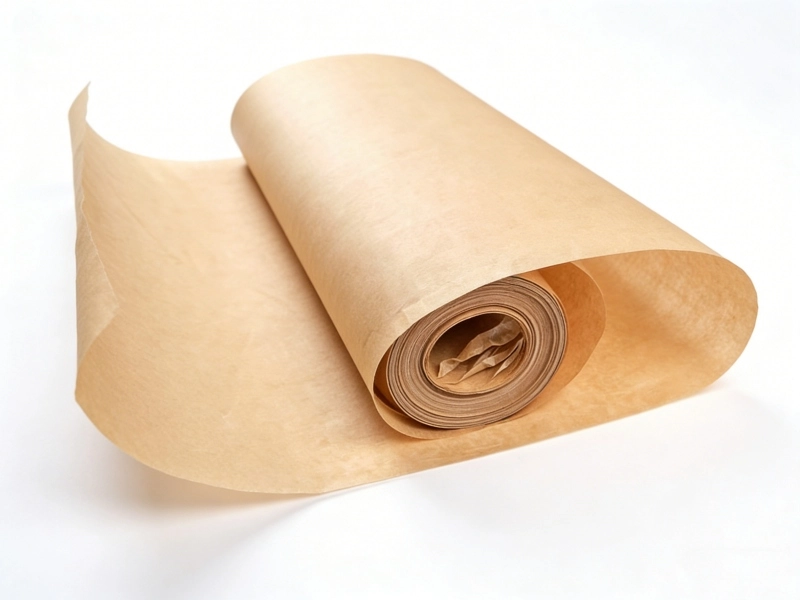
High Strength Kraft Paper
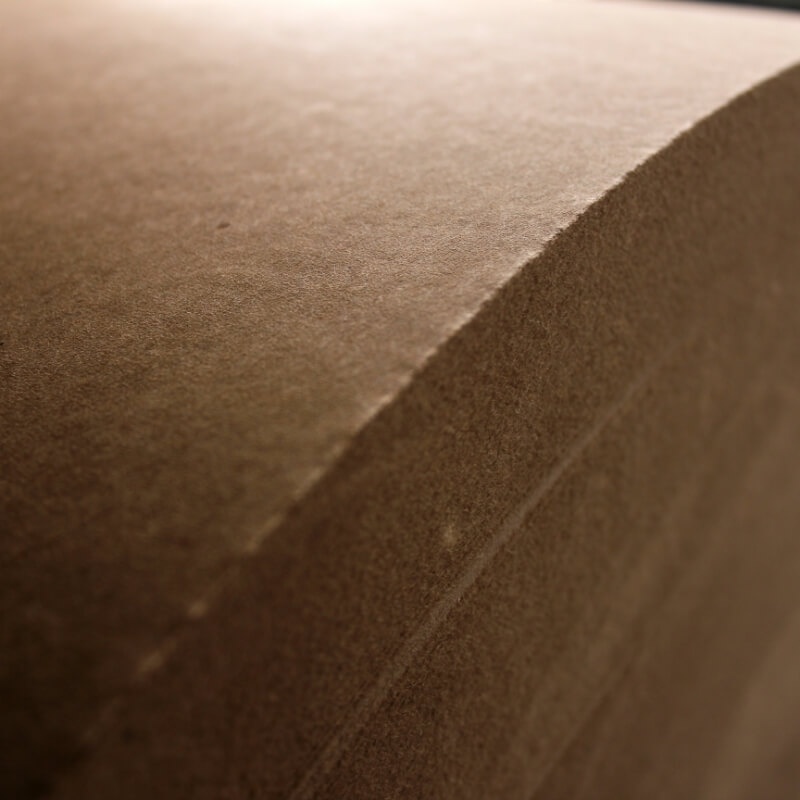
1. Manufacturing Process
High strength kraft paper is produced using long-fiber softwood pulp — typically from species such as pine or spruce — which provides an exceptionally strong fiber network. The pulp undergoes minimal bleaching or none at all, preserving the natural lignin bonds that contribute to structural integrity. Advanced refining techniques are applied to maximize inter-fiber bonding, and the paper is often calendered to achieve a consistent surface density.
Some grades are further enhanced through wet-strength additives or surface sizing agents, which allow the paper to maintain its structural performance even when exposed to moisture or humidity. The result is a paper engineered specifically for applications where mechanical failure is not an option.
2. Key Properties
• High tensile strength: Exceptional resistance to tearing and stretching under load
• High burst strength: Capable of withstanding significant internal pressure without rupturing
• Good porosity: Allows air permeability, which is critical for filling operations in industrial bags
• Dimensional stability: Maintains shape and strength under varying temperature and humidity conditions
• Available in multi-wall configurations for additional load-bearing capacity
3. Applications
High strength kraft paper is primarily used in demanding industrial and construction packaging contexts. Its most prevalent applications include:
• Industrial multi-wall bags: Used for cement, sand, gravel, and construction aggregates, where bags must withstand both filling pressure and mechanical handling
• Agricultural bags: Packaging for fertilizers, animal feed, and seeds that require strong, breathable containment
• Chemical packaging: Suitable for powdered chemicals and resins that require high burst resistance
• Heavy-duty wrapping: Protective wrapping for pipes, steel coils, and other heavy industrial goods during transit
Brown Kraft Paper
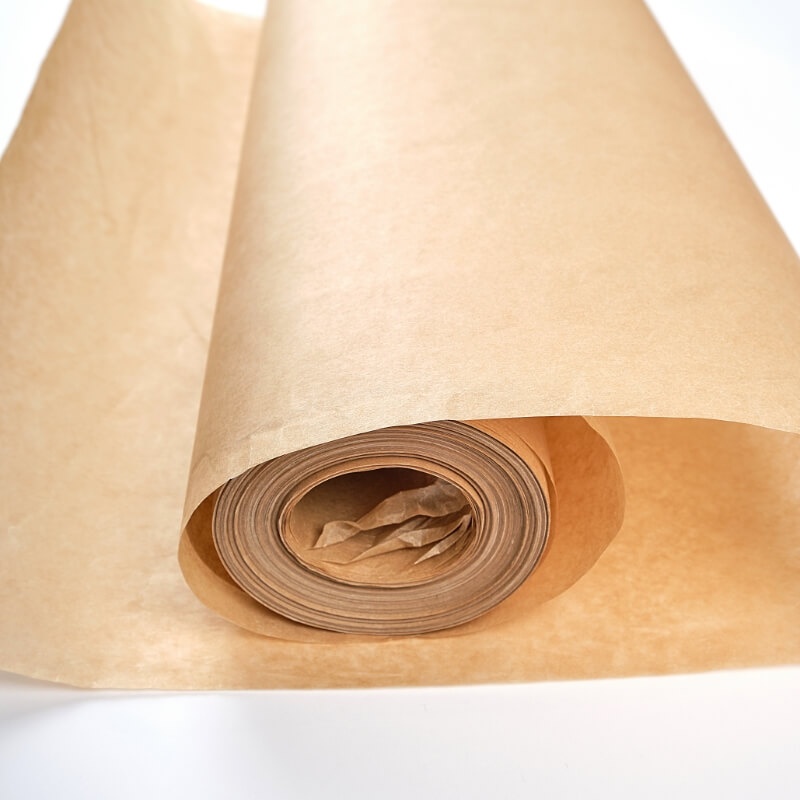
1. Manufacturing Process
Brown kraft paper is produced from unbleached or lightly bleached chemical pulp. The absence of extensive bleaching preserves the natural brown color imparted by residual lignin and wood resins in the pulp. This not only gives the paper its characteristic earthy appearance but also retains more of the cellulose fiber's original strength.
The manufacturing process typically uses a combination of softwood and hardwood pulp, balancing strength with flexibility. The paper is formed on a Fourdrinier machine and dried under controlled conditions. Because it does not undergo whitening treatments, Brown Kraft Paper requires fewer chemical inputs, resulting in a lower environmental footprint compared to bleached alternatives.
2. Key Properties
• Natural brown color: Derived from unbleached pulp, with a rustic and sustainable aesthetic
• Good tensile and tear strength: Suitable for a wide range of packaging applications
• Moisture resistance: Naturally resistant to light moisture exposure; can be enhanced with coatings
• Eco-friendly profile: Fully recyclable, biodegradable, and produced with fewer chemical inputs
• Cost-effective: Generally less expensive than bleached alternatives due to simplified processing
3. Applications
Brown Kraft Paper is among the most versatile packaging materials in widespread use today. Its combination of strength, sustainability, and affordability has driven its adoption across multiple industries:
• Grocery and retail bags: Widely used for supermarket shopping bags, bakery bags, and general merchandise bags
• E-commerce shipping: Used for mailer bags, void-fill wrap, and protective packaging as an alternative to bubble wrap or styrofoam
• Food packaging: Suitable for dry food products such as bread, flour, and snacks, including direct food contact applications with appropriate certification
• Wrapping paper: Gift wrapping, product wrapping in artisan retail, and parcel wrapping
• Sustainable packaging solutions: Increasingly adopted as a plastic replacement in line with global sustainability initiatives and extended producer responsibility regulations
White Kraft Paper
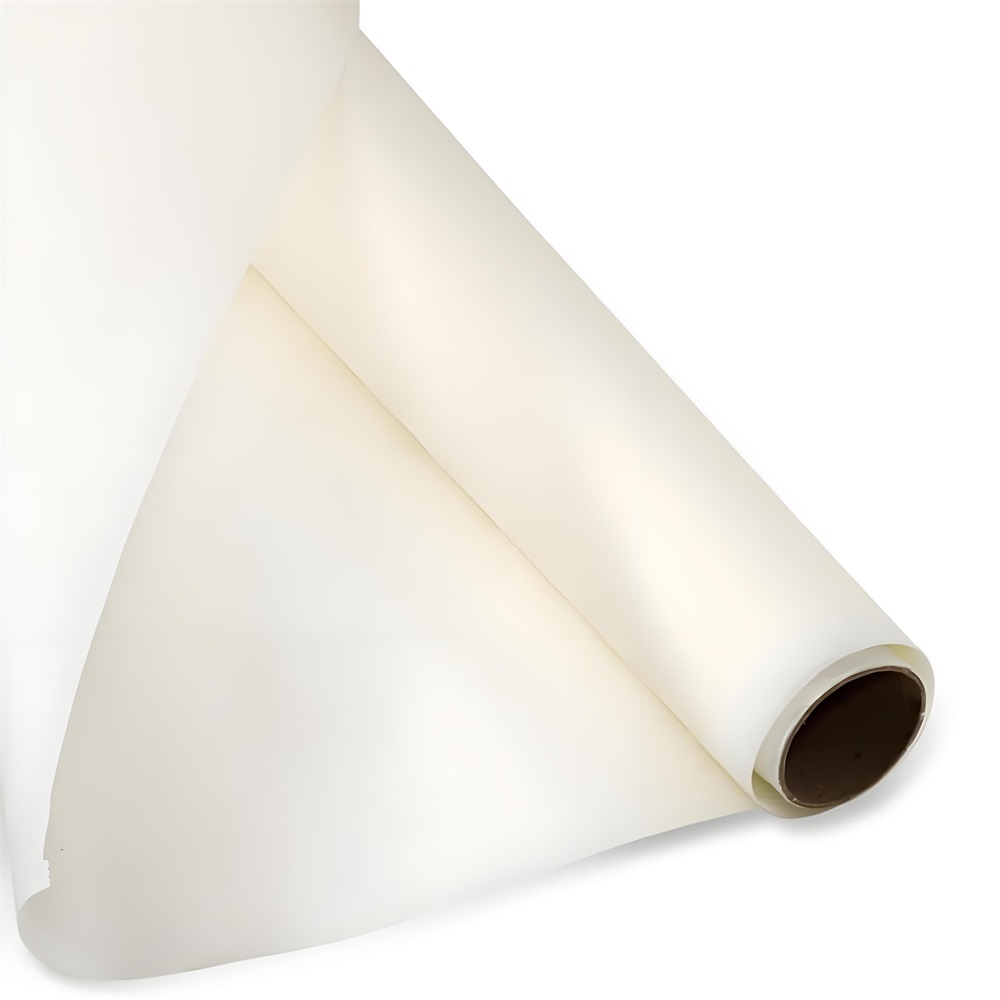
1. Manufacturing Process
White kraft paper begins with the same sulfate pulping process as other kraft grades, but undergoes additional bleaching stages to achieve its characteristic bright white appearance. Most commonly, elemental chlorine-free (ECF) or totally chlorine-free (TCF) bleaching methods are used, which whiten the pulp while minimizing the release of harmful by-products into the environment.
Some grades of White Kraft Paper also receive surface coatings — such as clay coating or polyethylene lamination — to enhance print quality, add moisture barriers, or achieve food-safe compliance. The level of whiteness is measured by ISO brightness, with higher-grade white kraft papers achieving values above 85%.
2. Key Properties
• High brightness and whiteness: Provides a clean, premium appearance suitable for retail and consumer-facing applications
• Excellent printability: Smooth surface accepts high-quality flexographic, offset, and digital printing
• Food-safe options available: Specific grades are certified for direct food contact in accordance with FDA, EU, and other regional regulations
• Good strength retention: Despite bleaching, retains strong fiber structure with good burst and tear resistance
• Versatile coating compatibility: Can be laminated, waxed, or coated for moisture resistance and barrier performance
3. Applications
White Kraft Paper is the preferred choice wherever appearance, print fidelity, or food-contact safety is a priority:
• Retail and luxury packaging: Shopping bags, gift bags, and branded packaging for apparel, cosmetics, and electronics
• Food service packaging: Fast food bags, bakery boxes, sandwich wrapping, and deli paper — especially where branded printing is required
• Labels and stickers: As a base substrate for pressure-sensitive labels in food, beverage, and pharmaceutical labeling
• Medical and sterile packaging: Used for sterilization pouches and pharmaceutical packaging where cleanliness and compliance are essential
• Consumer goods wrapping: High-end product wrapping for candles, home goods, and artisan products where presentation matters
Comparison
| Attributes | High Strength Kraft | Brown Kraft | White Kraft |
| Color | Natural brown / off-white | Natural brown | Bright white (bleached) |
| Strength | Very high (optimized) | High | Medium to high |
| Printability | Limited (functional labels only) | Moderate (basic printing) | Excellent (full-color printing) |
| Sustainability | Good (minimal bleaching) | Excellent (unbleached, recyclable) | Good (ECF/TCF bleaching available) |
| Cost | Medium to high | Low to medium | Medium to high |
| Food Contact | Not typically | Certified grades available | Yes (certified grades) |
| Typical Industries | Construction, agriculture, chemicals | Retail, food, e-commerce | Retail, food service, medical, luxury |