
Standards Medical Packaging Paper Must Meet
Medical packaging paper plays a pivotal role in ensuring the safety, sterility, and integrity of medical devices and healthcare products. Selecting the right packaging paper requires a deep understanding of regulatory compliance, physical and chemical performance standards, sterilization compatibility, and quality management practices. Drawing on years of experience in the medical packaging industry, this guide outlines the essential standards medical packaging paper must meet to satisfy both regulatory requirements and practical application needs.
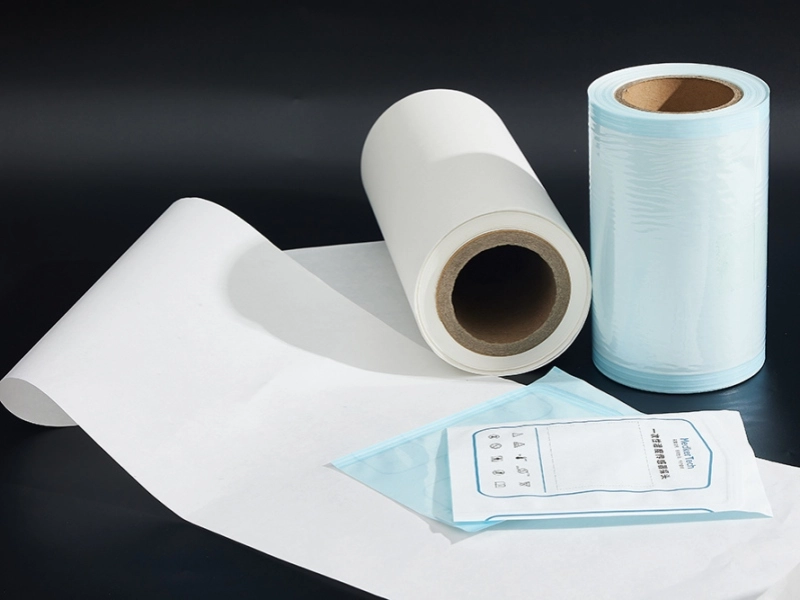
Global Regulatory Standards Governing Medical Packaging Paper
Compliance with global regulatory standards is the foundation of safe and effective medical packaging. Internationally recognized standards such as ISO 11607 define the requirements for packaging materials intended for sterile barrier systems. ISO 11607 specifies performance criteria, material selection guidelines, and validation processes to ensure packaging maintains sterility until the point of use.
In addition, the U.S. Food and Drug Administration (FDA) enforces regulations for medical device packaging materials, including 21 CFR Part 11 and Part 820, which require manufacturers to maintain documented quality systems and validation protocols. For the European market, MDR (Medical Device Regulation) and relevant EN standards set specific criteria for material safety, barrier performance, and sterilization compatibility.
Manufacturers must also consider regional standards such as ASTM or JIS, depending on the target market. Adhering to these regulatory frameworks is not optional—it directly impacts product approval, market access, and liability protection.
Critical Physical Performance Requirements for Medical Packaging Paper
Physical performance characteristics are key determinants of a medical packaging paper's effectiveness. Barrier properties are crucial: the paper must resist microbial penetration, maintain moisture and gas barriers, and prevent particulate contamination. Tensile strength and tear resistance ensure the packaging remains intact during transport and sterilization.
Other important specifications include basis weight, thickness uniformity, and porosity, which affect both sterilization efficacy and user handling. Seal strength and heat-seal compatibility are also essential, particularly for flexible packaging systems, ensuring the sterile barrier remains uncompromised throughout the product's lifecycle.
Regular testing of these physical properties helps manufacturers and procurement teams verify that the packaging paper consistently meets performance standards and mitigates risks associated with compromised packaging integrity.
Chemical and Biological Safety Standards for Healthcare Packaging Materials
Safety extends beyond physical durability. Biocompatibility testing ensures that packaging materials do not introduce cytotoxic or allergic reactions when in contact with medical devices. Extractables and leachables testing evaluates the risk of chemicals migrating from packaging into the medical product, particularly critical for pharmaceutical or implantable devices.
Packaging papers must also demonstrate chemical resistance against sterilants such as ethylene oxide, steam, or gamma irradiation, and against routine cleaning agents used in hospital or laboratory environments. Particulate control and cleanliness standards minimize contamination risks and support compliance with sterile product requirements.
These chemical and biological standards collectively guarantee that medical packaging paper is safe, reliable, and suitable for critical healthcare applications.
Sterilization Compatibility Standards and Validation Requirements
Medical packaging paper must withstand various sterilization methods without losing integrity. Common sterilization techniques include steam sterilization, ethylene oxide (EO) sterilization, and gamma or electron beam irradiation. Each method imposes unique stresses on packaging materials, such as high temperatures, moisture, or radiation exposure.
Validation of sterilization compatibility requires rigorous testing, including cycle simulation, microbial challenge studies, and integrity assessments post-sterilization. Ensuring that medical packaging paper maintains barrier performance throughout sterilization cycles is essential for regulatory approval and patient safety.
Quality Management and Traceability Requirements for Packaging Paper Manufacturers
High-quality medical packaging paper begins with robust quality management systems. Adherence to ISO 13485 or equivalent standards ensures consistent production, risk management, and documentation of manufacturing processes.
Cleanroom production environments, raw material qualification, and supplier audits reduce contamination risk and maintain material integrity. Batch traceability, comprehensive documentation, and internal auditing processes support regulatory compliance and enable rapid response to quality issues or product recalls.
By integrating quality management and traceability into every stage of production, manufacturers can provide healthcare customers with packaging paper that meets both technical specifications and regulatory expectations.