
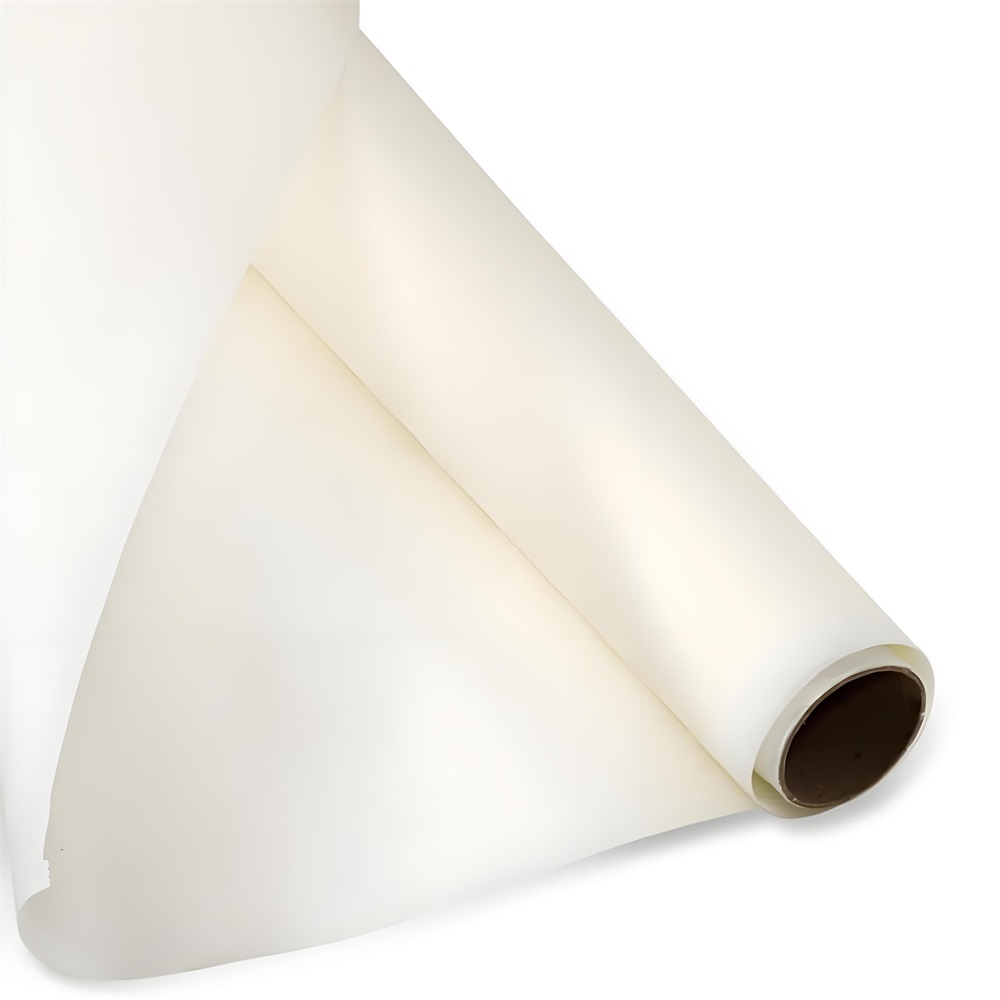
White Kraft Paper
Product Features
An eco-friendly packaging paper made primarily from high-quality bleached softwood pulp, formed on a fourdrinier wire and processed with high-strength calendering.
Application Scenario

Product Details
Core Features
● Excellent strength: Good tensile, burst, and tear resistance; good load-bearing and impact resistance.
● White and smooth: Clean and uniform paper surface, no impurities, good visual texture.
● Good printability: Uniform ink absorption, clear color rendering, suitable for various printing processes like offset and flexography.
● Water and moisture resistance: Good resistance to water, oil, and moisture.
● Moderate stiffness: Combines toughness and stiffness, resistant to deformation and wrinkling when folded.
● Environmentally friendly and clean: Made from virgin pulp, biodegradable and recyclable, no fluorescent whitening agents, safe and eco-friendly.
Product Applications
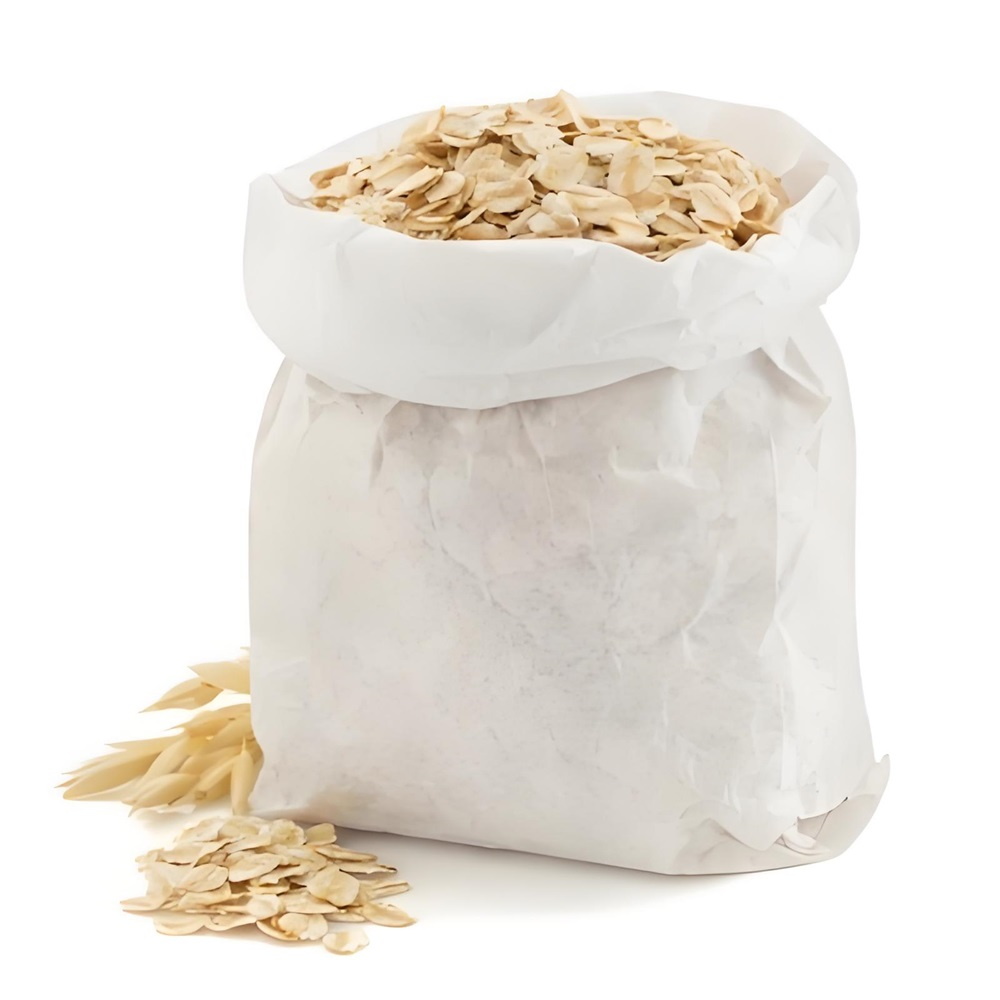
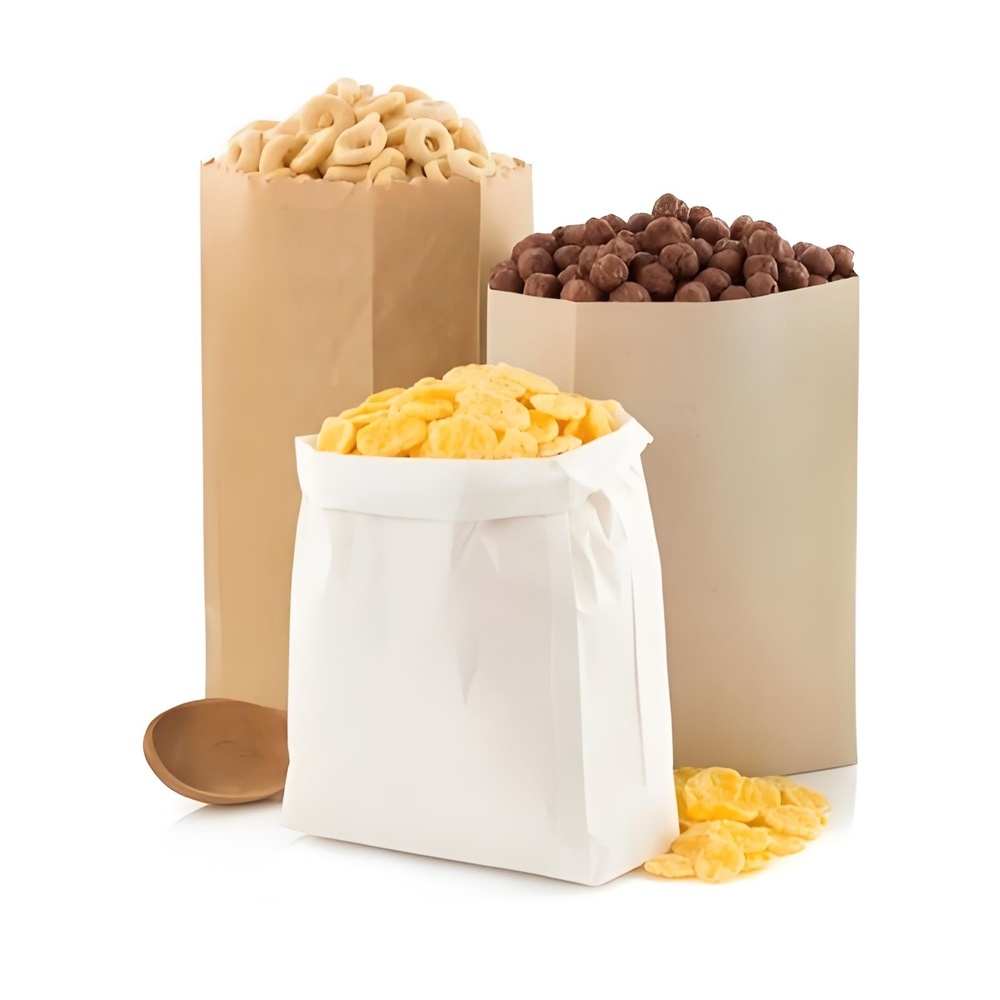
Food packaging: packaging and bag making of clean food products such as baked goods, fast food, tea, nuts, and other similar applications.
Major Types of Food Packaging Paper
Kraft Paper – Used for dry food packaging (e.g., flour sacks, grain bags).
Greaseproof Paper – Resists oil, ideal for fried foods, butter, and baked goods.
Wax Paper – Moisture-resistant, used for freezing food or candy wrapping.
Parchment Paper – Heat-resistant, commonly used for baking and meat packaging.
Aluminum Foil-Laminated Paper – Blocks light and oxygen, used for snacks and coffee.
Molded Pulp Packaging – Biodegradable, used for egg cartons and fruit trays.
What is White Kraft Paper Used For?
White kraft paper is a bleached, food-safe version of traditional kraft paper. It retains high strength while offering a clean, printable surface.
Common uses include:
● Bakery packaging (bread, cakes, pastries)
● Fast food wrapping (burgers, fries, sandwiches)
● Confectionery inner lining (chocolates, candies)
● Dry food bags (flour, sugar, grains)
● Eco-friendly shopping bags & premium gift boxes (due to its smooth finish and printability).
Its FDA-compliant, grease-resistant variants make it a versatile choice for food-safe and sustainable packaging.