
How Greaseproof Paper is Made: A Guide for Beginners
After working with paper mills and food-packaging manufacturers for many years, one thing I’ve learned is this: greaseproof paper is often misunderstood. Many newcomers assume it’s simply “coated paper” or “waxed paper,” but true greaseproof paper relies far more on process control and fiber engineering than on surface treatments.
In this guide, I’ll walk you through how greaseproof paper is made, step by step, from raw materials to quality testing, sharing practical insights I’ve gained from real production environments. If you’re new to specialty paper or evaluating suppliers, this article will give you a solid technical foundation.
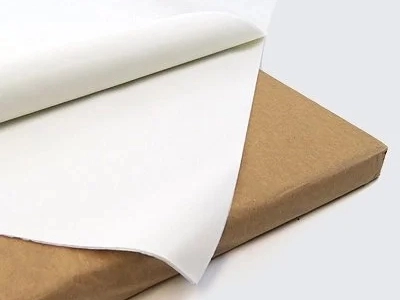
Raw Materials Used in Greaseproof Paper Production
At its core, greaseproof paper is still paper—but not all paper fibers are created equal.
From my experience, high-quality greaseproof paper almost always starts with bleached chemical pulp, typically derived from hardwood or softwood cellulose. These fibers are chosen because they are:
• Clean and low in impurities
• Capable of extensive refining
• Strong enough to withstand intense mechanical treatment
Unlike some packaging papers, recycled fibers are rarely used for true greaseproof paper intended for food contact. The reason is simple: recycled fibers are shorter, less uniform, and harder to refine into a dense structure. When oil resistance is critical, fiber purity and integrity matter.
Another important point beginners often overlook: no grease resistance is “added” at this stage. The raw materials provide the potential—but the real magic happens during processing.
Manufacturing Process: The Key to Grease Resistance
If I had to name one decisive factor in greaseproof paper manufacturing, it would be high refining.
During refining, cellulose fibers are mechanically beaten and fibrillated. This process dramatically increases the fiber surface area and flexibility. In practical terms, what this means is:
• Fibers bond more tightly to each other
• The paper structure becomes denser
• Pores that normally allow oil penetration are minimized
In mills I’ve worked with, greaseproof paper is refined far more aggressively than standard printing or packaging paper. This is intentional. The goal is not bulk or softness, but maximum fiber interlocking.
This high-refining process is what allows greaseproof paper to achieve oil resistance without chemical coatings, which is a key distinction from waxed or PE-coated paper.
How Mechanical Beating Creates a Natural Oil Barrier
Mechanical beating deserves special attention because this is where greaseproof paper truly differentiates itself.
As fibers are beaten, their outer walls partially break down, releasing micro-fibrils. These fibrils fill the microscopic voids between fibers when the sheet is formed. Over time, through pressing and drying, the structure becomes so compact that oil molecules struggle to migrate through it.
From a technical standpoint, grease resistance is achieved by:
• Reduced porosity
• Increased fiber-to-fiber bonding
• A tortuous path that slows oil penetration
This is why true greaseproof paper is often described as having a “natural oil barrier.” There is no surface layer to crack, melt, or delaminate—an advantage I always emphasize to food-packaging clients.
How Porosity Control Affects Greaseproof Performance
In real production, greaseproof paper quality is largely about porosity control.
Even small changes in refining degree, sheet formation, or drying conditions can significantly affect grease resistance. Over-refining can weaken paper strength, while under-refining leaves pores too open.
From my experience, manufacturers carefully balance:
• Basis weight (GSM)
• Fiber length distribution
• Pressing pressure during sheet formation
• Drying temperature and speed
Lower porosity directly correlates with better grease resistance, but it must be achieved without sacrificing runnability or converting performance. This balance is where experienced paper makers separate themselves from inexperienced suppliers.
Grease Resistance Testing and Quality Standards
No greaseproof paper should leave a mill without proper testing.
In commercial production, grease resistance is commonly evaluated using standardized methods such as:
• KIT test (TAPPI T559)
• Oil penetration time tests
• Visual staining and absorption assessments
For food-contact greaseproof paper, compliance with FDA, EU food safety regulations, and other regional standards is equally critical. In my professional opinion, buyers should always request:
• Test reports for grease resistance
• Food-contact compliance documentation
• Batch consistency data
Consistent testing ensures that greaseproof paper performs reliably in real-world applications like bakery wraps, fast-food liners, and sandwich packaging.