
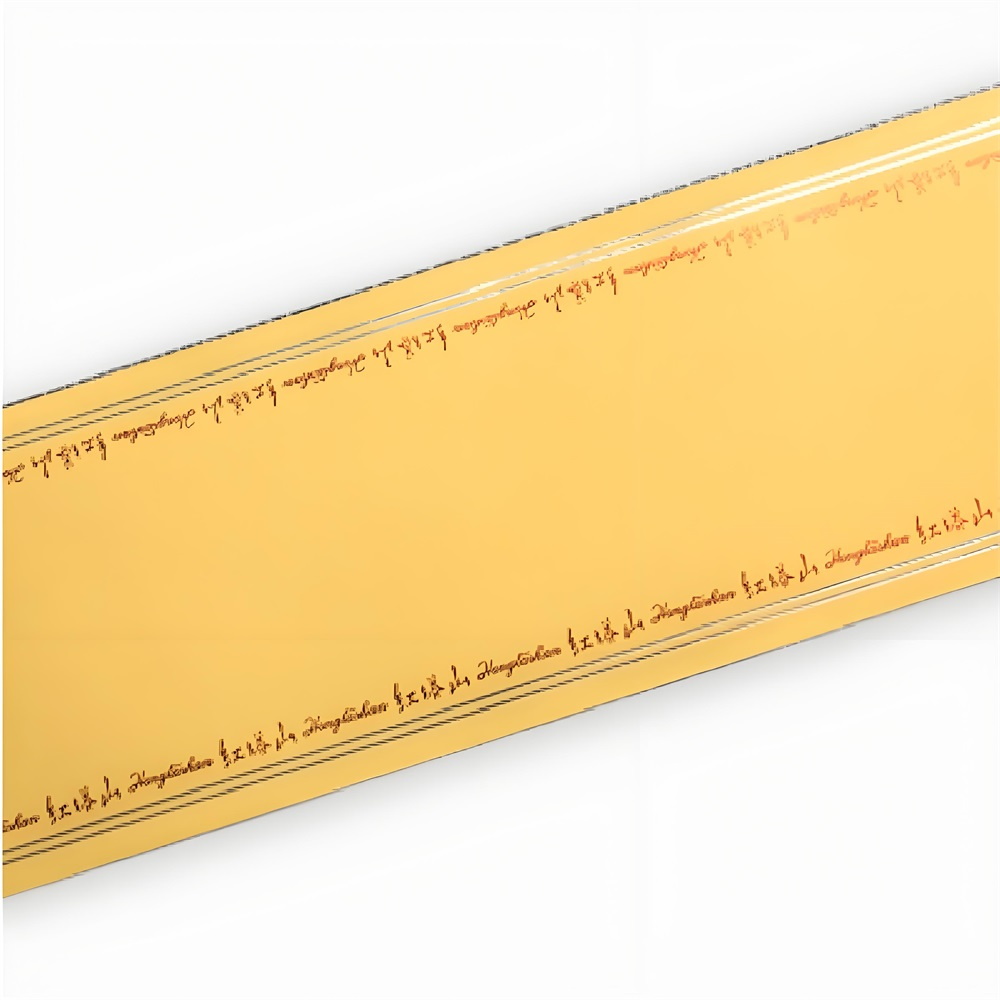
Regular Series-M.G. (Machine Glazed) Type
Product Features
This is a specialty M.G. (Machine Glazed) base paper specifically designed for the production of cigarette tipping base paper. Made from high-quality virgin wood pulp, it is manufactured through papermaking and M.G./super calendering processes. It has one high-gloss smooth side and one slightly rough side, strictly complying with YC/T tobacco industry standards and food contact safety requirements.
Application Scenario


Product Details
Product Applications
1. Production of cork tipping base paper
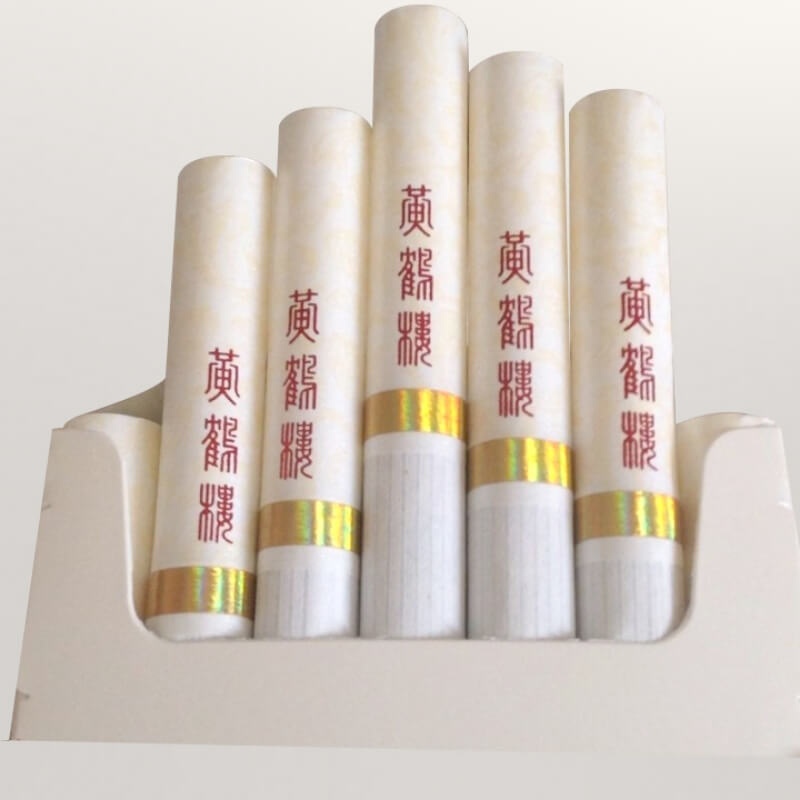
After printing, embossing, and slitting, it becomes the outer wrapping paper for the cigarette filter, covering the connection point between the cigarette rod and the filter. It is an essential packaging material for cigarettes.
2. Suitable for Medium to High-End Cigarette Packaging Printing
The smooth side of paper is suitable for multi-color gravure printing, hot stamping, embossing, and laser transfer, used for mid-to-high-end cigarettes to enhance the appearance grade and anti-counterfeiting properties.
3. Specialized Base Material for High-Speed Cigarette Making Machines
Its stiffness and strength meet the requirements of high-speed cigarette making and filter assembling machines (8000–12000 cigarettes/minute), ensuring no paper jams, no breaks, and stable tipping application.
Some FAQs
1. What does MG mean?
MG stands for "Machine Glazed." Unlike the coated two-sided (C2S) finish, MG paper actually features one high-gloss, smooth side and one slightly rough side.
2. What's the difference between MG and MF?
Just like the difference between C1S and C2S. MG papers have a coating on one side, while MF papers have a coating on both sides.
3. What does cork tipping base paper mean?
Tipping paper is the outer wrapping of the filter section of a cigarette. It is a fundamental component that connects the cigarette rod with the filter tip. This paper plays a crucial role in cigarette production, combining functionality, durability, and aesthetic appeal.
It not only contributes to the structural integrity of the cigarette but also enhances its visual identity.
4. What are the advantages of coated one-side cork tipping base paper?
a. Excellent Printability
The coated side provides a smoother, more uniform surface with better ink absorption control, enabling high-definition gravure printing. This ensures clear and consistent cork patterns, decorative graphics, or laser perforation indicators.
b. Reduced Ink Strike-Through
The coating minimizes ink penetration into the paper fibers, preventing "strike-through" (ink showing on the reverse side). This is especially important for water-based inks and high-speed printing lines.
c. Improved Hot Stamping & Converting Performance
The coated surface offers higher surface strength and heat resistance, reducing dusting, fuzzing, or coating damage during subsequent processes such as foil stamping, slitting, or perforation.
d. Functional Zoning for Safety & Processing
The smooth coated side (outer surface) provides an attractive printed finish, while the uncoated rough side (inner surface, in contact with the filter or tobacco) retains natural fiber porosity for proper ventilation and adequate friction for stable transport during tipping.
e. Cost Efficiency
Compared to double-coated papers, one-side coating delivers the required print quality and surface performance while using less coating material and fewer processing steps, making it a more economical option.