
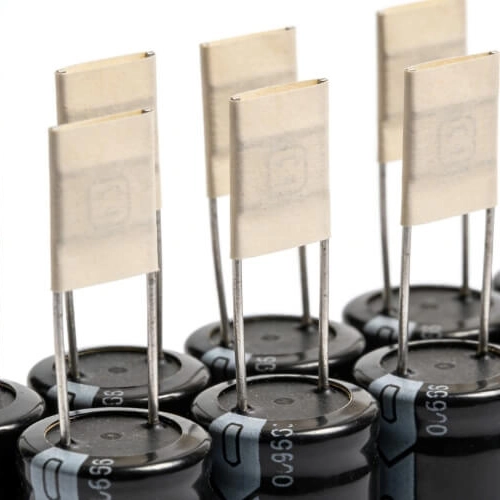
Medium and High Voltage Electrolytic Capacitor Paper
Product Features
Made from high-purity insulating wood pulp, using membrane-treated water in production. This ensures high chemical purity and extremely low ash content, water-soluble chlorides, and calcium/magnesium ion content. Produced through wet beating followed by papermaking, the paper exhibits high gloss, good density, excellent formation uniformity, and minimal thickness variation. This provides uniform layer spacing during capacitor element winding, effectively preventing local electric field concentration, thereby enhancing voltage resistance and service life. It has excellent tensile strength, reducing breakage rates during winding and assembly. Good air permeability makes it suitable for applications requiring controlled electrolyte distribution and scenarios demanding extremely high insulation.
Application Scenario
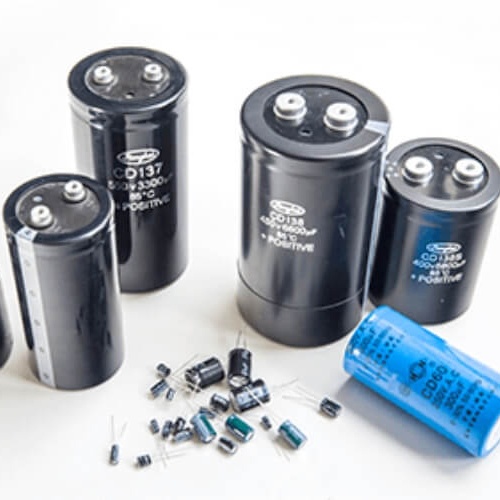
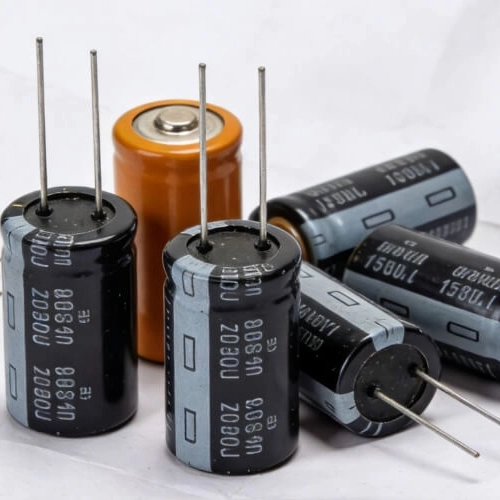
Product Details
Product Applications
1. The low dissipation factor reduces energy loss during high-frequency operation, making it suitable for high-frequency applications such as switching power supplies, energy storage charge/discharge, AC motor starting, flash units, 5G communication equipment, etc.
2. Products in the W175-20, W180-20, W190-20 series have a breakdown voltage of no less than 3KV/mm and are used in areas such as onboard power supplies for new energy vehicles, photovoltaic inverters, etc.
3. Products can be developed for extreme environments such as those requiring high temperature resistance or humid conditions.