
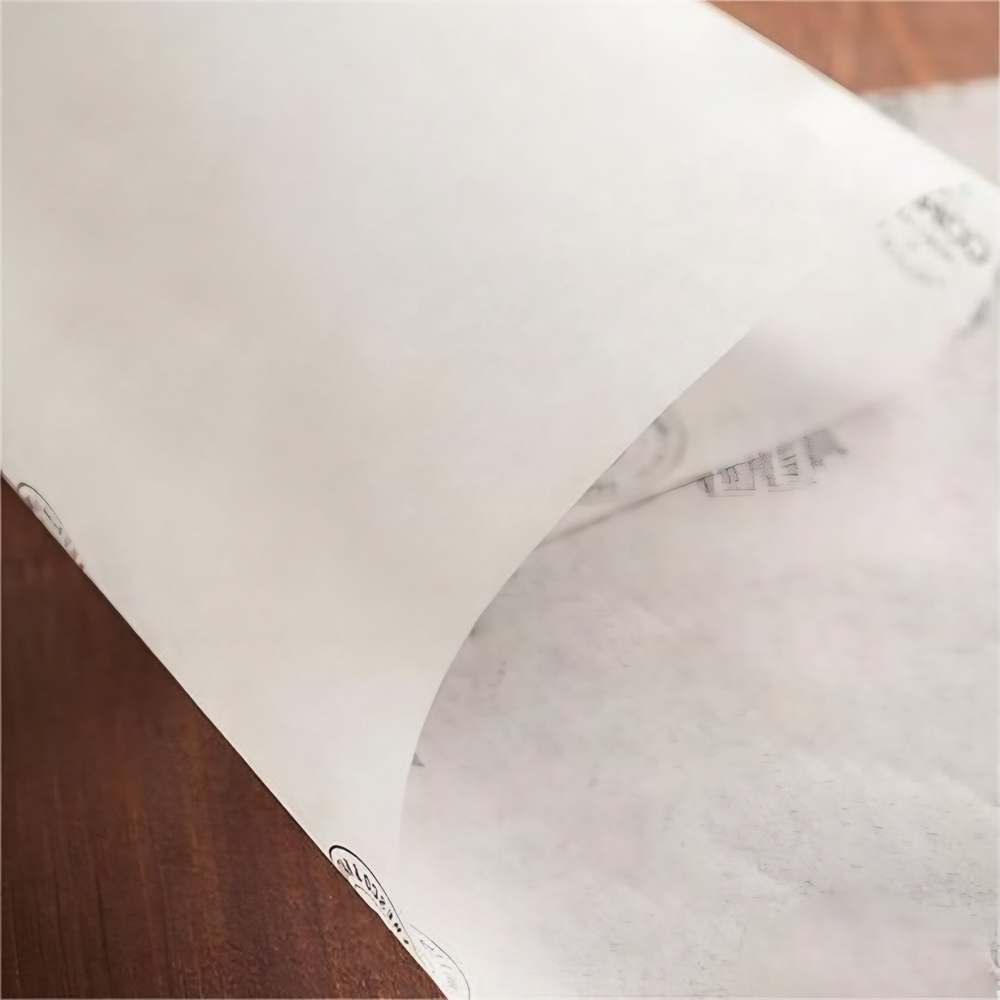
Bio-based PFAS-Free Greaseproof Paper
Product Features
An environmentally upgraded greaseproof material in the food packaging field. Using 100% food-grade virgin wood pulp as the base material, it replaces traditional fluorocarbons with a bio-based oil-resistant agent. It is produced through water-based coating and fine calendering processes.
Application Scenario
Product Details
Core Features
● Fluorine-free: Free from PFOA, PFOS, or other fluorocarbons, eliminating the risk of bioaccumulative toxicity, aligning with the global trend of PFAS bans.
● Bio-based and eco-friendly: The coating is derived from renewable biological resources, compostable, recyclable for repulping, with low carbon emissions throughout its lifecycle.
● Good greaseproof grade : Achieves greaseproof grades up to KIT 3-12, withstands hot oil at 85-95°C for 30 minutes without penetration, stable greaseproof effect on both sides.
● Food-grade cleanliness: Free from fluorescent whitening agents, off-odor, harmful residues, can be in direct contact with various foods.
● Plastic-free design: Non-extrusion coated structure, directly recyclable and reusable, complies with plastic restriction regulations, avoids plastic residue pollution.
Product Applications:
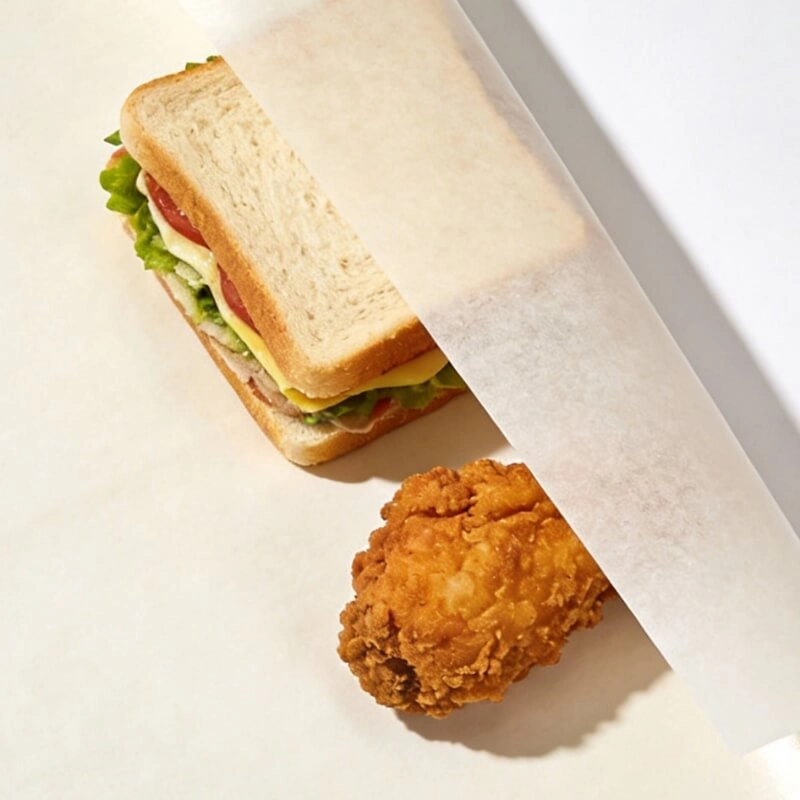
● Fast food: Greaseproof packaging for fried foods such as fried chicken, fries, burgers, barbecue, etc.
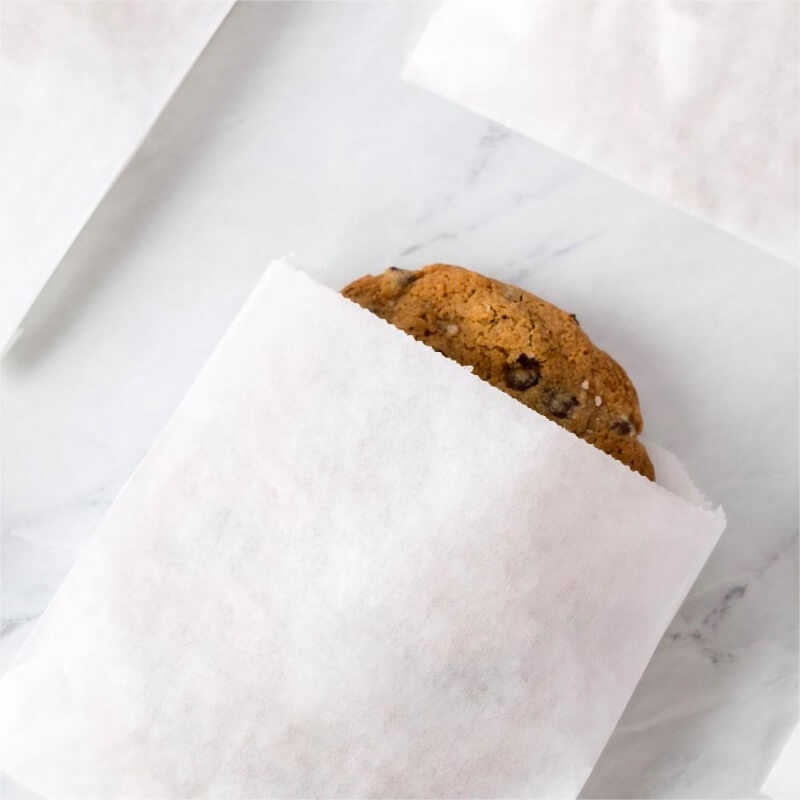
● Baked goods: Greaseproof liner paper, tray liners, individual wrapping for bread, cakes, biscuits, mooncakes, etc.
● Snacks: Greaseproof wrapping for oily foods like potato chips, nuts, crispy treats, jerky.
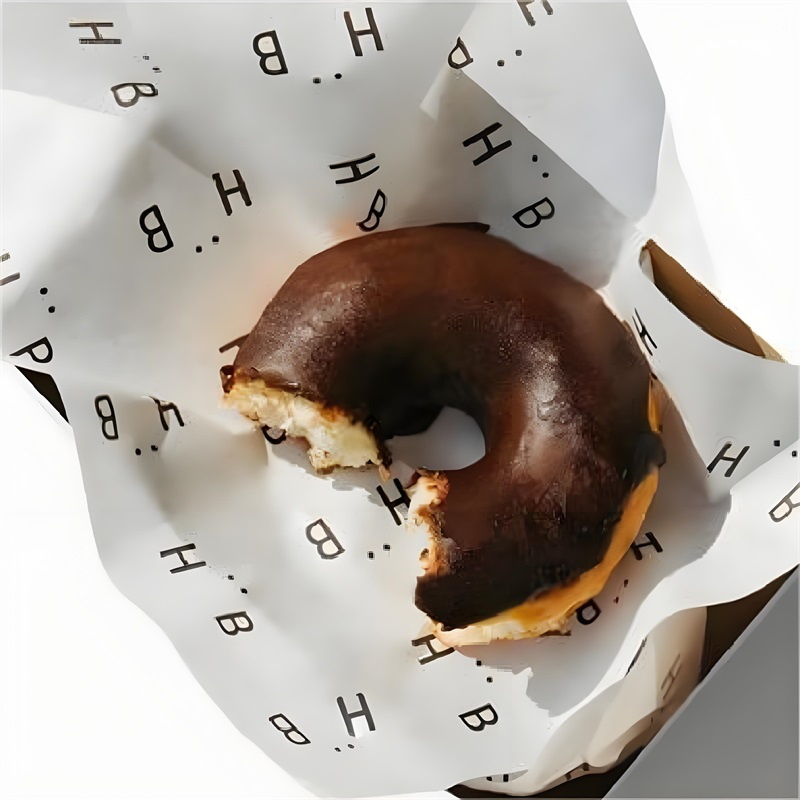
● Desserts and beverages: Greaseproof and non-stick packaging for donuts, cream puffs, milk tea cup holders, etc., keeping food and packaging clean.
What is Bio-based(Bio-based Material)?
Bio-based means material derived in whole or in part from biomass resources. Biomass resources are organic materials, renewable or recyclable, such as crop residues, wood residues, herbaceous plants, and aquatic plants. In a certain sense, any product that contains a certain amount of biobased material is a biobased product.
Bio-based materials are materials obtained from the manufacture of renewable biomass(the contents of crops, trees, other plants, animals and their residues). Bio-based materials tend to be green, environmentally friendly, renewable, and biodegradable.
Bio-based greaseproof paper is made from renewable resources, which is designed to reduce reliance on petroleum-based plastics and lower the carbon footprint.
What does Fluoride-free Mean?
Fluoride-free refers to the absence of fluorinated compounds, especially perfluoro and polyfluoroalkyl substances (PFAS, Per- and Polyfluoroalkyl Substances). These substances have been widely used in food packaging, non-stick pans, waterproof clothing, and other products because of their oil- and water-resistant and high-temperature-resistant properties.
Conventional greaseproof paper often adds fluorinated compounds (e.g., PFAS) to block grease, but these substances may be harmful to humans and the environment (e.g., persistence, bioaccumulation). Fluoride-free versions are safer and more environmentally friendly as the grease barrier effect is achieved through other technologies (e.g., biopolymers or physical treatments).